- Air Homepage
- Air Quality Testing
- Indoor Air Pollution
Indoor air pollution: an introduction
Find more about air quality.
Do you know what indoor air pollution is? Indoors isn't where people think pollution might be. There are a lot of things that cause this kind of air pollution, like chemical cleaners, furniture, and building materials. It can cause respiratory issues, headaches, and fatigue, among other things.
Long-term exposure to air pollution can also cause more serious health problems, such as asthma and cardiovascular disease. Inhaling polluted air is like consuming poison - it can harm you over time. Keep your house clean and well-ventilated to reduce the risk of these problems. By regularly cleaning your air ducts and changing your air filters, you can reduce air pollution.
Mold, dust mites, pet dander, and chemical fumes from cleaning products can cause indoor air pollution. Asthma, allergies, and even cancer can result from this. To stay healthy, you need to reduce indoor air pollution. In most cases, when people think about pollution, they imagine factory chimneys or trucks with smoke coming out of their exhaust. Pollution's most obvious side. Pollution isn't all visible, though.
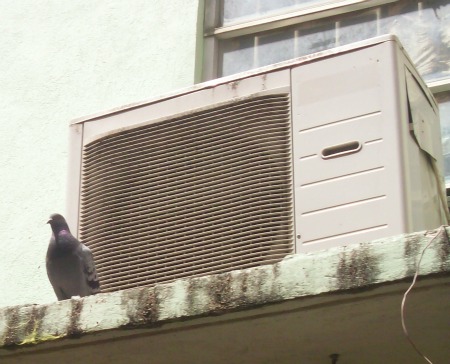
Indoor air pollution is mostly invisible. People would take proactive measures to prevent or avoid it if they could see it. Winter is when you're more likely to be exposed to indoor pollution. People spend most of their time indoors during this time.
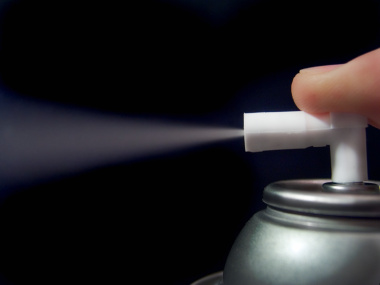
As the season wears on, indoor air quality can become increasingly contaminated. Why? Some residences don't change their air very quickly. If you spray an air freshener can indoors, the smell lingers longer than if you spray it outside. Due to the stagnant air, any pollution released indoors tends to linger longer.
There are a lot of different sources of indoor air pollution, but combustion pollution is the most common. Typically, this type of pollution comes from burning stuff like cigarettes (we all know about the dangers of smoking), wood in a stove, and other combustible fuels in furnaces.
Also, household chemicals like cleaners pollute us, even though some of them are more effective cleaners because they contain strong chemicals. We breathe in these chemicals.
Pollution particles can cause health problems once they're inhaled. Lungs are the first to be affected. Through the
lungs, particles enter the bloodstream and reach other parts of the body. We can still consider some of the particles problematic even though they're inert.
Inflammation and irritation are caused by other particles that settle in the lungs. Respiratory ailments like asthma and emphysema result from exposure like this.
Particles that react chemically with lung tissue or even enter the bloodstream can cause major health problems, even cancer. Depending on the chemical, these chemicals cause different kinds of damage.
The components of indoor air pollution
Lead is one of a number of indoor air pollutants that can cause serious health problems. Older homes often have lead in the paint. When paint is disturbed, like during renovations, smaller lead particles become airborne and can be inhaled. Lead can cause a lot of problems, especially in kids, after it enters the bloodstream.
Fresh paint can release volatile organic chemicals, which can cause cancer. The fumes from painting are flammable, so you need good ventilation.
Watch out for asbestos fibers when you dismantle interior walls or ceilings. Depending on your country's laws, this applies to older homes. The construction industry loved it because it was easy to work with, cost-effective, and inhibited fire propagation and electrical conduction. They didn't know about the respiratory problems, including cancer, until later.
By taking precautions, you can avoid or reduce most indoor air pollution. Don't smoke indoors. Make sure no gas from the combustion remains in the room after a wood stove.
Smoke production and composition are also affected by wood choice. Seasoned wood burns better and cleaner than green wood, for example. Make sure the room is well ventilated if you're using cleaning chemicals indoors.
Check for mold, too. Particulate indoor air pollution is caused by mold (and dust). Decomposition often takes place in areas of the enclosure that have received moisture and become a nurturing environment.
Mold repopulates by sending spores into the air, which go anywhere the air takes them. There's a special set of instructions to fix this indoor air pollution problem.
Go back from Indoor Air Pollution to the Global Warming Unstoppable and Unavoidable webpage. Or visit the Stuff in the Air homepage.
RADON is a radioactive gas that can get into homes through cracks in the foundation or walls.
Amongst non-smokers, radon is the leading cause of lung cancer. You can control radon levels in your home by doing these things:

- You've got to test for radon before you can control it. Buy a do-it-yourself radon test kit or hire a pro.
- You can prevent radon from entering your home by sealing cracks and openings in your foundation and walls. You can use caulk, sealant, or something else to do this.
- Increasing ventilation in your home can help reduce radon levels. Use fans, open windows, or install a ventilation system.
- Radon mitigation systems can be installed if radon levels are high. Radon is drawn from the soil and released outside through a fan and ventilation pipe.
- You can also reduce radon levels by maintaining good indoor air quality. Make sure your home is well ventilated, use air purifiers, and don't smoke or burn candles.
Search this site for more information now.
Testing for radon, sealing cracks and openings, improving ventilation, installing radon mitigation systems, and maintaining good indoor air quality are all ways to control radon levels in your home.
Recent Articles


-
Methodology Handbook to Master Your Emissions Report
Apr 23, 24 09:24 PM
 Make sure your Quantification Methodology Handbook is clear and compliant. Find out what to include, from data sources to calculations.
 -
Prevention of air pollution assisted by data with the Alberta AEIR
Apr 22, 24 08:33 PM
Check out the AEIR Standard 3.0, which guides industrial operations in reporting emissions, compliance and prevention of air pollution. -
Data Quality Assessment Report Template to Report emissions accurately
Apr 19, 24 12:49 AM
You can use this data quality assessment report template to make sure your emissions reports are accurate and compliant.



What are the hidden dangers of indoor air pollution?
Do you have a problem with air pollution indoors? To determine where a basic problem may originate, use these criteria.
Do you have concerns about air pollution in your area??
Perhaps modelling air pollution will provide the answers to your question.
That is what I do on a full-time basis. Find out if it is necessary for your project.
Have your Say...
on the StuffintheAir facebook page
Other topics listed in these guides:
The Stuff in the Air Site Map
And,
Thank you to my research and writing assistants, ChatGPT and WordTune, as well as Wombo and others for the images.
GPT-4, OpenAI's large-scale language generation model (and others provided by Google and Meta), helped generate this text. As soon as draft language is generated, the author reviews, edits, and revises it to their own liking and is responsible for the content.

By Barry Lough, P.Met., EP (Environmental Professional)
Text copyright © 2003-2023 Stuff in the Air.com
BACK TO TOP - Hit your 'Home' Key
New! Comments
Do you like what you see here? Please let us know in the box below.