- Air Homepage
- Air Quality Modelling Service
The Air Quality Modelling You Need
If your project needs regulatory approval, one of the first questions regulators will ask is: What happens to your emissions after they leave the stack?
Air quality modelling provides the answer.
What You Really Need - You aren't buying a model. You're after:
- Approval confidence
- Reduced schedule risk
- Fewer regulator questions
- Better project decisions
- Avoided redesign costs
- Fewer approval delays
At Calvin Consulting, we use air quality modelling to identify risks early, support defensible regulatory submissions and help move projects forward with confidence.
Whether you're planning a new facility, expansion, flare, process vent, boiler or other emission source, modelling helps determine whether your project can meet Alberta's air quality requirements before significant time and money are committed.
The biggest modelling problems rarely come from the software itself. More often, they're caused by missing emission sources, unrealistic operating assumptions, incomplete project information or misunderstanding what regulators expect. Identifying those issues early can save months of delay later.
Know the impact before the regulator asks. That is often the difference between a smooth approval process and an expensive surprise.
When Air Quality Modelling Is Required
Could air quality regulations delay your project?
Air quality modelling predicts where emissions go, how they disperse and whether your project can meet regulatory requirements before approval, construction or major spending decisions.
In our experience, a few hours spent reviewing emissions, operating assumptions and site layout before modelling begins can prevent weeks of redesign and regulator questions later.
You'll likely need air quality modelling if your project includes:
✓ New stacks
✓ Boilers, heaters, engines or turbines
✓ Flares
✓ Process vents
✓ Large storage tanks
✓ New or amended industrial approvals
If any of these apply, there's a good chance modelling will be required and an even better chance that addressing it early will save time, money and uncertainty.
 Get Approved
Why Air Quality Dispersion Modelling Matters
Air quality dispersion modelling shows where your emissions will travel, how they disperse and whether your project can meet regulatory requirements before problems arise.
It helps companies, regulators and communities understand potential environmental impacts, support approval decisions and identify practical ways to improve air quality.
Benefits include:
- Regulatory compliance by demonstrating whether emissions meet applicable air quality objectives.
- Reduced project risk through early identification of potential compliance issues.
- Lower costs by targeting the most effective emission reduction measures.
- Better environmental performance through a clearer understanding of pollutant impacts.
- Improved public confidence by supporting responsible, transparent decision-making.
- Health and community benefits by helping identify and reduce pollution hotspots.
In our experience, dispersion modelling is about far more than meeting a regulatory requirement. It helps organizations make better decisions, avoid costly surprises, protect communities and move projects forward with confidence.
The result: cleaner air, smoother approvals, reduced risk and smarter investments.
Get This Dispersion Modelling
Done Quickly
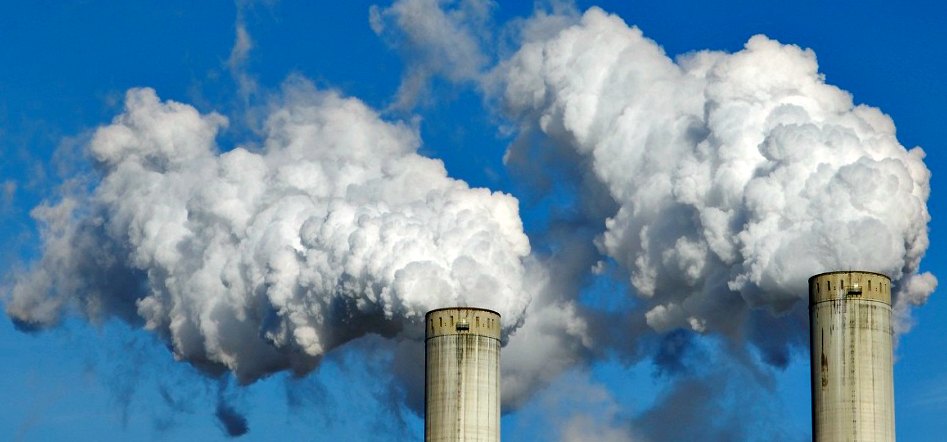 It is important to ensure that industrial sources do not negatively impact ambient air quality
Air quality assessments are technically complex and often critical to project approvals. Success depends not only on running a model, but on using approved methodologies, accurate inputs and sound professional judgment.
An effective assessment requires a specialist who understands both the science and the regulatory expectations behind it. That combination is uncommon and getting it right can mean the difference between a smooth approval process and costly delays.
When approval depends on the assessment, experience matters.
What makes it so complex?
Air quality modelling isn't just running software. Regulators typically require detailed, approved methods that account for your facility, its emissions and the surrounding environment.
A compliant assessment must evaluate:
- Facility design, operations and emissions
- Local meteorology, terrain and nearby receptors
- Neighbouring industrial sources and cumulative effects
- Pollutants and air quality impacts required by regulation
The challenge is not simply generating results. It's ensuring the assessment answers the specific questions regulators need answered and will withstand technical review.
Typical Air Quality Modelling Project Flow
How can we help you? A successful air quality assessment typically follows these key steps:
-
Project Authorization
Define objectives, regulatory requirements and project scope. -
Site Characterization
Establish facility location, layout, terrain and surrounding land use. -
Nearby Source Assessment
Identify neighbouring facilities and potential cumulative effects. -
Meteorological Processing
Collect and process weather data that controls pollutant dispersion. -
Receptor Selection
Identify where impacts will be evaluated, including residences, schools, hospitals and other sensitive locations. -
Background Air Quality Assessment
Determine existing air quality conditions before project impacts are added. -
Building Downwash Analysis
Evaluate how buildings and structures may alter airflow and plume behaviour. -
Emission Inventory Development
Quantify all relevant emission sources and contaminants. -
Operating Scenario Evaluation
Assess normal operations, start-up, shutdown, upset and emergency conditions. -
Dispersion Modelling
Use approved models to predict maximum ground-level concentrations. -
Results Assessment
Compare predicted concentrations against applicable air quality objectives and regulatory requirements. -
Reporting and Recommendations
Prepare a defensible assessment that supports regulatory review and decision-making.
If results identify potential compliance issues, additional iterations may be required with engineers and plant personnel to evaluate design changes, operational adjustments or emission controls before finalizing the assessment.
I need Air Quality Modelling. Now what?
Air quality modelling doesn't have to be expensive and it shouldn't be more complicated than necessary. The right approach depends on your project, regulatory requirements, schedule and risk profile.
At Calvin Consulting, we focus on practical, cost-effective solutions that help clients answer the questions regulators are actually asking, without unnecessary work or delays.
What You're Looking For
You need a report that is:
- Fast
- Defensible
- Thorough
- Practical
- Relevant
- Effective
That's exactly what we deliver.
Our goal is simple: help you understand compliance risks early, avoid surprises and move your project forward with confidence.
Whether you're planning a new facility, expanding operations, adding combustion equipment or pursuing an approval amendment, our air quality specialists can help determine the most efficient path forward.
Don't lose time wondering what regulators will require.
Contact Barry, Brad or Luke at 403-547-7557 to discuss your project, exchange information and identify the best solution.

With Calvin Consulting on your team, you can focus on the project while we focus on the air quality modelling.
Barry Lough,
Calvin Consulting Group Ltd.
Suite 1A, 3850 - 19th Street N.E.
Calgary, Alberta - T2E 6V2
Why Clients Hire Calvin
Our work is focused almost entirely on regulatory air quality assessments.
That means we spend our time understanding Alberta guidance, regulator expectations and industrial emissions rather than trying to be everything to everyone.
Clients work directly with experienced air quality specialists who understand both the modelling and the approval process.
Before you request a quote...
You'll probably need
- site layout
- stack parameters
- emission estimates
- fuel information
- production rates
- project description
What affects the cost?
- number of sources and substances
- emergency scenarios
- terrain
- nearby industry
- cumulative assessment
- meteorology
- receptors
- jurisdictions
Common Reasons Projects Stall
In our experience, modelling itself is rarely the problem. Most delays come from:
✓ incomplete emissions
✓ missing stack parameters
✓ engineering changes during the study
✓ incorrect operating assumptions
✓ underestimated neighbouring sources
✓ discovering compliance issues too late
Identifying these early often saves weeks of regulator review.
By Barry Lough, P.Phys, P.Met., EP (Environmental Professional, Certified by cecab.org)
Text copyright © 2003-2026 Stuff in the Air.com


FAQ's:
Do I Actually Need Air Quality Modelling?
If your project adds new emission sources, Alberta regulators will often require an air quality assessment.
Projects involving stacks, heaters, engines, flares, vents, storage tanks or significant process changes commonly need dispersion modelling to demonstrate compliance with Alberta Ambient Air Quality Objectives (AAAQOs).
The earlier you determine whether it's required, the fewer surprises you'll face later..
Will Alberta Require It?
Often.
Air quality modelling is commonly required for:
- New EPEA approvals
- Approval amendments
- New facilities
- Facility expansions
- New combustion equipment
- Significant emission increases
- New flares or process vents
If regulators need to understand how your emissions affect nearby receptors, modelling is usually part of the approval process. By the way, Calvin Consulting regularly completes Approval Applications for our clients as well.
Can You Get My Project Approved?
No consultant can guarantee approval.
What we can do is identify risks early, perform defensible modelling, prepare regulator-ready documentation and answer likely questions before they're asked.
Our goal is simple: reduce uncertainty, shorten reviews and improve the chances of a smooth approval.
How Much Work Is Involved?
Usually less than clients expect.
Most projects begin with information you already have:
- Site layout
- Process description
- Equipment details
- Emission estimates
- Fuel data
- Production rates
We'll identify what's missing and help you fill the gaps efficiently.
Can You Do This Faster Than Someone Else?
Sometimes.
But speed isn't the only goal.
A fast report isn't always a fast approval.
We focus on producing work that withstands regulatory review the first time, reducing requests for additional information and costly revisions.
Will Regulators Accept Your Work?
Our assessments follow applicable Alberta requirements, including:
- Alberta Air Quality Model Guideline
- Alberta Ambient Air Quality Objectives (AAAQOs)
- AERMOD requirements
- AEPA and, where applicable, AER expectations
Just as important, we understand how regulators interpret modelling results—not just how to run the software.
Why Hire Calvin Instead of Other Firms?
There are capable firms.
Clients often choose Calvin because they work directly with experienced modellers instead of being passed through multiple layers.
We provide:
- Direct senior involvement
- Alberta regulatory expertise
- Fast decisions
- Clear communication
- Practical guidance
- Reports written for regulators
We don't just produce model output—we help you understand what it means and what to do next.
How Much Does Air Quality Modelling Cost?
It depends on the complexity of the project.
Simple assessments may require only a few days of work, while large industrial facilities can involve detailed emissions inventories, building downwash, terrain, multiple operating scenarios and extensive reporting.
If you already have your emissions data and project information, we can usually provide a realistic scope and quotation quickly.
When Should I Contact a Modeller?
As early as possible.
Small design changes made early in a project can sometimes eliminate expensive redesigns or approval delays later.
It's generally much easier to adjust a project before engineering is finalized than after an application has been submitted.
Our goal is to make sure projects move through the regulatory process smoothly.
Typical modelling projects:
- New facilities
- Facility expansions
- EPEA approvals
- BC permit applications
- Saskatchewan approvals
- Carbon capture
- Flares
- Compressor and genator expansions
- Pipelines
- LNG
- Fertilizer
- Petrochemical
- Power generation