- Air Homepage
- Air Quality Testing
- Air Quality Modeling
Make a cleaner future with air quality modeling.
Who conducts air quality modeling? Calvin Consulting Group Ltd.
Air Quality Solutions for Industry: Model Your Success - Want to know exactly how your industrial emissions will behave in the atmosphere before you break ground? Learn how air quality dispersion modelling can ensure your facility meets environmental standards, minimizes community impact, and secures crucial regulatory approvals!
How do you keep your industrial facility's surrounding air clean and healthy? Learn about air quality modelling, also known as dispersion modeling. As pollutants enter the atmosphere, we can calculate their behavior, dilution, and potential impact using dispersion models.
What's the goal here? Maintaining high air quality around your facility. Our journey includes site simulations, meticulous analysis, the use of industry-approved models, and in-depth output evaluation. We provide solutions, expert testimony, and address environmental concerns. Let's talk about how we can help.
It is time for cleaner air!
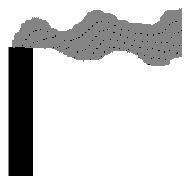
When pollutants enter the atmosphere, dispersion models calculate what happens. How diluted it gets in the process, and under what conditions it becomes a problem.
So what's the point? To make sure the air near the facility meets the relevant air quality standards and objectives. Simulations use parameterized emission characteristics, flow obstruction qualities, a background pollutant level, and local meteorological and topographic data.
Calculations result in predicted concentrations, which we compare with standards to see if compliance is theoretically possible.
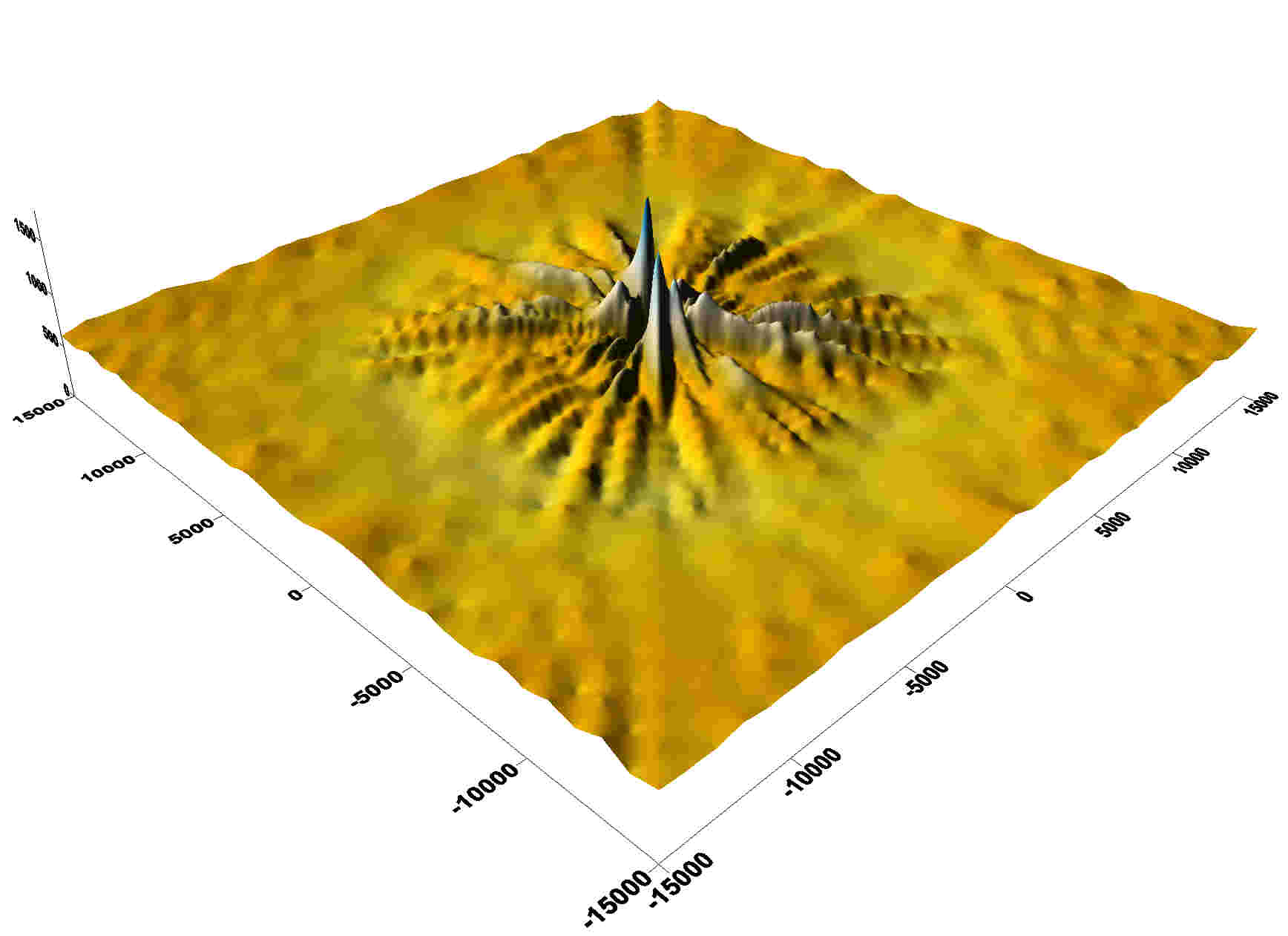
Here is an example of an air quality modeling assessment conducted by an environmental group.
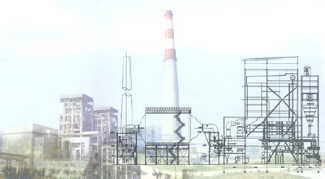
This is how a typical project goes. How does stack exit gas disperse after release? Let me tell you what we do:
- Designing a simplified simulation of the plant layout. Start with a site plan.
We all need Feedback:
Let me know if your plant has to go through this. Find out what you need to do. These air quality modeling projects are never trivial.
Problems related to the environment and the community
- Human interactions with the environment include lung cancer, asthma, emphysema, allergies, smog, smoke, visibility, aesthetics, pictures, global warming, and ozone depletion. We also do emissions statistics for the National Pollutant Release Inventory - NPRI - and the Greenhouse Gas Inventory - GHG.
- Among the substances that can pollute the environment are sulfur, sulphur dioxide SO₂, carbon monoxide CO and dioxide CO₂, nitrogen oxides NOx and NO₂, sulfuric acid H₂SO₄, mercury Hg, volatile organic compounds VOCs, benzene, toluene, chicken manure and fertilizer, which contain ammonia NH₃ among other air pollutants, dust, hydrogen sulphide H₂S, particulate matter PM and more. We've added fugitive leak detection and repair - LDAR - services to save clients money (by reducing waste) while maintaining air quality.
- Exhaust, dust, and waste are created by cars, trucks, planes, and vans.
Are you ready for expert air quality modeling for your project? Let's work together to make your area cleaner and healthier by discussing your specific needs and ensuring compliance with air quality standards.

Here are some highlights from my resume
For a detailed,
Myers Briggs assisted, description of my personal preferences, see this page.
BARRY J. LOUGH,
EP - DISPERSION METEOROLOGIST
EDUCATION Undergraduate Science Diploma in Meteorology, University of Alberta, 1994
B.Sc., with specialization in Physics, University of Alberta, 1989
SUMMARY Barry has more than 25 years of experience with meteorology and dispersion modelling for upstream and midstream energy projects. He's an atmospheric scientist who specializes in air quality modeling and operational meteorology. Additionally, Barry has experience with public relations, mitigation, and environmental solutions.
He's compiled emission inventories, interpreted atmospheric influences, designed air monitoring programs, and air quality modelling assessments. He's also developed programs and techniques to evaluate air quality. Air quality modeling, data validation, and operational meteorology are his specialties.
In the past, Barry has prepared air quality compliance information for industry license applications. It involves compiling complex emissions inventories and air dispersion models, making recommendations on how to modify plant designs to meet air quality guidelines, figuring out how to resolve problems, and doing statistics. His recent projects include:
- Modeling air quality dispersion with United States EPA dispersion models. And more recently, he became an expert in CALPUFF modeling at Calvin Consulting.
- Predicting and recommending alternate plant and stack operations.
- Modifying dispersion models based on regulations, plant parameters, client needs, and weather.
- Regulatory approval renewals and amendments.
- Calculating the best location for air quality monitoring stations based on model output.
- Preparing monthly and annual air quality reports.
- Corporate CEO
Memberships skills & Affiliations
- The Canadian Air & Waste Management Association's fields of expertise
- Modeling dispersion of air quality
- Applications for licenses
- Reports and inventories of emissions
- Interpretation and forecasting of meteorological data
Languages
- Native English speaker
Sectors of the economy
- Oil and gas producers
- The manufacturing industry
- Petrochemicals
- Municipal power plants
An overview of specific project experiences
Applications: Joffre Alberta Industrial Complex, Plant-Design-and-Emission-Sources-Database. It includes a chemical plant, a cogeneration plant, an oligomers plant, and a nitrogen fertilizer plant.
A team of scientists measured the location, emissions parameters, and wake effects of dozens of streams running simultaneously at these plants, then assessed their impacts on the terrain. For accurate and complete air quality modeling, we had to consult operational staff at all three sites. The compiled design information, modelling results, and interpretations were sent to each participant.
Air Quality modelling for the Hardisty Tank Storage Complex in Alberta, Canada, which is a major oil storage and transportation hub. Located in Hardisty, it's a major oil storage, blending, and distribution center. There are a lot of tanks and infrastructure to handle large volumes of crude oil.
It's a key hub for oil producers, refiners, and marketers in Canada's energy industry. Different grades of crude oil can be stored here, allowing for efficient supply and demand management. Located near major pipelines and transportation routes, the complex makes it easy to move oil to refineries, export terminals, and other markets.
Hardisty Tank Storage Complex has several benefits for the energy sector. Adding storage options for different types of crude oil enhances operational flexibility, enabling blending and customization to meet market needs. It also helps stabilize the market by buffering supply disruptions or demand fluctuations.
Furthermore, the complex creates jobs and supports related industries like logistics, transportation, and maintenance. In addition to fostering economic growth, it plays a crucial role in Canada's energy infrastructure.
Edmonton's Refinery Row is an industrial area where several oil refineries are located close to each other. Like any industrial activity, refineries can have an impact on air quality.
As a result of refinery operations, the air quality near Refinery Row is a concern. Pollutants released by refineries include SO2, NOx, VOCs and PM. Human health and the environment can be affected by these emissions.
Emission control measures and strict environmental regulations are needed to address these concerns. Various technologies and practices are used to minimize emissions, including advanced monitoring systems, pollution control devices, and continuous improvement.
Alberta Environment and Protected Areas AEPA regularly monitors air quality near Refinery Row to ensure compliance with air quality standards. It helps identify potential deviations from acceptable air quality levels, so action can be taken to mitigate them.
Residents and stakeholders need to stay informed about air quality monitoring results and health advisories. Engagement and transparency are key to addressing air quality concerns, promoting responsible industrial practices, and protecting community well-being.
Industry, government, and local communities work together to improve air quality near Refinery Row. A healthy environment depends on continuous monitoring, regulatory compliance, emission reduction strategies, and ongoing research and innovation.
Examples of modeling and data validation tasks specific to certain projects:
During these projects, I:
- gathered empirical ozone data,
- studied the physical principles and monitoring conditions, and
- kept the most realistic values for further research and policymaking.
Activities included:
- Modelling and presenting data for oil and gas facilities.
- Analyzing the effects of carbon-based emissions, NOx and particulates.
In large areas considered in these air quality modeling projects, there are often other similar industries influencing the results.

The dispersion of a variety of contaminants associated with natural gas-derived chemicals was modeled. With air quality modeling, we can simulate the effects of:
- a limited supply of ozone that helps NOx get converted into NO2,
- carbon monoxide,
- ethylene and its effects on agriculture,
- benzene,
- butadiene,
- methyl pentane,
- PM of varying sizes, and
- other contaminants from two large multi-facility complexes.
Other projects I've worked on included these elements:
- Proposed plant layout and operations were adjusted because of air quality modeling output, and the changes improved simulation results.
- For large natural gas pipeline projects, I developed an air quality modeling system to streamline repeated components of each evaluation.
- Assessed cumulative effects of NOx and PM, often near other industrial or urban development.
- Modeled emissions from "tepee" burners and other unique types of emission sources, like bag filters at OSB factories.
- Used a customized air quality modeling program developed by a consulting firm. In Alberta and Saskatchewan, water vapour is often found near power plants and cogeneration facilities. The air quality modeling program was used to predict fog events on nearby roads for these projects.
The following are some examples of past project task descriptions:
Analyzed results of air quality modeling using SAS was for the calculations. The ISC-OLM and PVMRM algorithms (for determining NO2 conversions) replaced manual conversions of NOx concentrations to NO2.
Use SAS or Surfer to visualize model output. The isopleths were mapped on background maps with matching scale and orientation so viewers could see how the source(s) were predicted to affect nearby areas.
We used AutoCAD to create a background map showed terrain contours. With graphical fills of different densities, you could see the terrain shape easily.
If the client's proposed situation was predicted to result in problematic ambient concentrations, we suggested modifications to the plant design.
In some cases, small changes were needed to get satisfactory results. We'd find the most practical and effective solution using incremental changes. For example, fuel gas flare stack operations could be modified to have a higher buoyancy flux, more dispersion and lower concentrations. We could have the engineers raise stack heights, relocate sources and buildings, or add incinerators and filters to reduce the impact of harmful emissions.
In addition, my team and I made calculations for public hearings, kept in touch with the chief consultant at crucial moments, and generated new model runs on demand, relaying the results to support the client's position.
My group also developed and documented efficient procedures for processing output and displaying graphics for the air quality modeling division's ISO9001 certification.
At Environment and Climate Change Canada (formerly Meteorological Services of Canada and Atmospheric Environment Services):
Physical and dynamic explanations of meteorological phenomena. Using computer and hand-drawn graphics, created short-term weather forecasts.
Can you do it better?
You like this Idea? It works for its intended purpose, but probably is not perfect. Why not?
Do you know of a better one? We'd all like to see it, I'll bet. A penny for your thoughts.
Other people and their ideas...
Click below to see hi-tech contributions from other visitors to this page...
Control pollution and save planet 
Today we are in a situation that we cant live without comfortaility. But for comfort we are destroying our nature and envirounment. This will leads to …

Air Pollution Modelling
First, I would like to intruduce myself. I am a young (26) chemical technology engineer, very interested in air pollution modelling. The reason for …

air pollution dispersion modeling 
Learn how to model air quality with AERMOD and CALPUFF!
Students and researchers can use these powerful modelling tools thanks to EPA software like …

Save your life... Save Envinronment.... Reduce Pollution
Air pollution is a point of major concern now. Statistics shows that there is an enormous increase in breathing and chest related diseases in urban areas. …
Regional air quality
I and everyone are concerned about regional air quality. It's a basic need for our future generation. The world already has a lot of pollution.
…

Air Quality Modelling Update for 2009
Alberta Environment (AENV) has had a few official names over the years. Since 1971, this ministry has gone through a lot of revisions, integrations, and …

Clean Up the Air
We see the need to clean up the air. Regional air quality is a major concern, especially in the Detroit-Windsor region. My husband and son have asthma. …

Need for polluton control
Today we are in a situation where everyone needs comfort-ability. Due to this comfort all destroying the environment and the nature. This could lead …

Drive a Hybrid
It's called stop buying gas guzzling machines!
Barry's Response - If you're not familiar with the term, a hybrid electric car uses a regular engine …
Environment is degrading
Now-a-days many issues regarding atmosphere research is going on in order to come out of the pollution. From the moment when we come out of the house …
Air Quality Dispersion Models
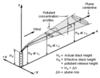
Do you know where I can find air quality dispersion models? Hi....im an environmental engineering student,looking for some data about air pollution …
Air Modelling
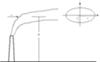
Q: I need help with air modelling. I want to model air pollution at a point surrounded by several stacks. What will I do and how? Please help..... …
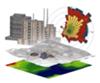
computer models
1. Currently there is no scale existing to test the accuracy of any EPA computer models for prediction of Air Pollution, any where in the world. In a recent …

Modelling uncertainty and errors
Here is what the EPA has to say about modelling uncertainty and errors. It incorporates some theory put forth by Carl Gauss:
Modeling software is more …
To see articles and notes about air issues on a regular basis, read them in
Blowin' in the Wind
Keyword for this page: air quality modeling
Search this site for more information now.
Go back from Air Quality Modelling to the
Air Quality Testers web page or visit the Stuff in the
Air homepage.
Recent Articles


-
No to pollution - that's what we say!
Mar 02, 26 12:30 AM
 What shall we say? A short list of opinions regarding environmental pollution of all types.
 -
Air pollution and global warming - what do people say?
Mar 01, 26 08:53 PM
 Readers of Stuff in the Air care about air pollution and global warming. Do you?
 -
Think about global warming and the animals: These people did.
Feb 28, 26 04:41 PM
 What do you think about global warming. Are people in trouble? What about animals?
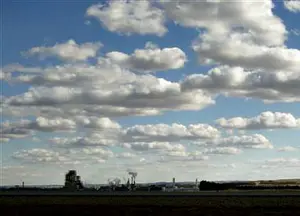

How can we predict the impact of your air quality on your business?
A model for predicting air quality. How should a factory that produces air emissions be operated?
Do you have concerns about air pollution in your area??
Perhaps modelling air pollution will provide the answers to your question.
That is what I do on a full-time basis. Find out if it is necessary for your project.
Have your Say...
on the StuffintheAir facebook page
Other topics listed in these guides:
The Stuff-in-the-Air Site Map
And,
Thank you to my research and writing assistants, ChatGPT and WordTune, as well as Wombo and others for the images.
OpenAI's large-scale language generation model (and others provided by Google and Meta), helped generate this text. As soon as draft language is generated, the author reviews, edits, and revises it to their own liking and is responsible for the content.

By Barry Lough, P.Met., EP (Environmental Professional)
Text copyright © 2003-2024 Stuff in the Air.com
BACK TO TOP - Hit your 'Home' Key
New! Comments
Do you like what you see here? Please let us know in the box below.