save environment from pollution and toxication
by mohit pareek
(mumbai, maharahstra, india)


river pollution
Voices from a Changing Planet - Across the world, people are wrestling with the same question: how do we protect the world we live in without losing ourselves in politics, confusion, or blame? We're getting a fresh look at what's really going on in our air, our weather, and our daily choices because of these candid comments that combine frustration, hope, humor, and raw honesty.
Mohit starts us off here: Air, water and land are the most important things in our environment. We people are actually trying to take advantage of all these things and are harming our environment by polluting all the essential things for life, like air, water and land.It is the responsibility of everyone to preserve these natural resources and refrain from harming them. It's our duty to protect our environment and it makes me angry when people don't care about these natural resources and try instead to exploit these resources.
Please understand our duties and come together to protect our environment. I am not against industrialism but the way they try to exploit our natural resources is bad. The people who intentionally harm our rivers for their own good need to be punished. Please come forward and take some steps against them.
Barry's Response - Thank you Mohit. It may sometimes be hard to tell which actions are deliberate sabotage on the environment. In fact, that would be rare.
The real key here would be education. Making sure owners know when neglect may occur and how to prevent environmental damage from happening.
Search this site for more information now.
It sounds like a mythological quest to save the environment from pollution
The story starts with something simple: air moves. There's water flowing. The soil breathes. It's never still in the environment, and neither are the things we dump in it. It doesn't sit politely where we leave it. You can find it everywhere - in your lungs, your tomatoes, even places you've never heard of.That's why meteorologists and air-quality scientists pay more attention to wind patterns than politicians do. Chimneys in one city can irritate throats three towns away. Waste dumped in a river can wash chemicals past farms, fisheries, and dreams of people who've never heard of the factory upstream. What's weird? It's not villains twirling moustaches that cause most damage - it's small mistakes, forgotten maintenance, and "I'll fix it later" moments.
Risk reduction is what science calls it
Toxicologists mix chemistry, biology, meteorology, physics, and geology to ask:- Pollution goes where?
- When it gets there, what happens?
- Who's first to get hurt?
- What can we do to stop it?
There are times when the answers sound comforting. There are times when they shock you. Sometimes, they challenge the mainstream climate narrative. Pollution signals are often hidden or exaggerated by natural variability in weather patterns. Even though emissions are lower than decades ago, wind shear and thermal inversions can trap them. Yes, water bodies sometimes heal faster than politicians admit, especially when local communities get involved, not distant bureaucracies.
This isn't a rebellion against science. This is a rebellion for science. Thinking outside the box. Asking uncomfortable questions. It's about recognizing that environmental problems are real, but solutions can be creative, local, and beautiful.
Here's an idea:
Let's do a "zero-waste dare" for a weekend instead of reading a government pamphlet. Teenagers suddenly compete to reduce emissions for bragging rights. You hear grandparents talking about river cleanups like they're planning a picnic. Because he knows his land, a farmer installs a cheap low-tech filter that stops runoff better than a million-dollar system.On warm days, the air moves differently. Depending on turbulence, humidity, and solar radiation, pollutants rise, sink, or spread. The best way to protect the environment is to understand the weather. Sometimes you have to remember that the industrial revolution wasn't all bad - it lifted billions out of poverty - but it also introduced problems that require adult skills. "Saving the environment from pollution and toxication" isn't a war; it's an ongoing, messy, hopeful negotiation between humans and the world.
Here's a practical, meteorology-friendly solution:
- Learn how your city's pollution moves by watching local wind forecasts.
- Call out industries that don't use up-to-date controls.
- Pick one thing you can do this week, not ten things you'll forget.
- Take a look around. Find out how emissions disperse after they leave a tailpipe.
- Maintain pressure on leaders, but also recognize your own power.
You're in the right place
...if you've ever felt anger, hope, confusion, or even a stubborn teenage urge to "fix everything because adults won't." It's not over yet. This is the first chapter.What frustrates you most about pollution, and what gives you hope? Comment below and let's keep this conversation going.
Comments for save environment from pollution and toxication
|
||
|
||
|
||
|
||
|
||
|
||
|
||
|
||
|
||


Recent Articles


-
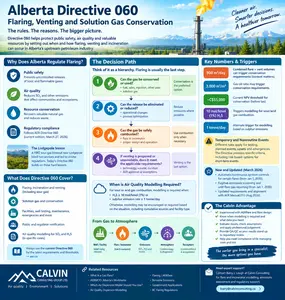
Energy and Environment: Persuading industry to care
Sep 15, 26 02:47 PM
 What's wrong with Alberta's energy and environment? International media criticize the province and its biggest industry almost every day. Here's the truth.
 -
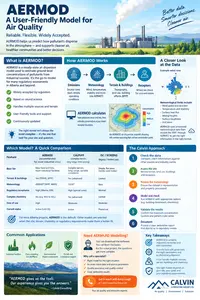
AERMOD Air Quality Modelling in Alberta
Sep 14, 26 05:58 PM
 Can you tell me which air quality model works best for most Alberta Air Quality Model Guideline regulatory modeling? AERMOD. It's easy, versatile, and recognizable.
 -
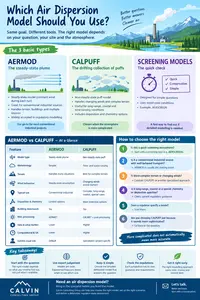
Air Dispersion Model - What's an air model?
Sep 14, 26 02:13 PM
How do we help a factory control air pollution? Provide design feedback ahead of time using an air dispersion model.
Do you have concerns about air pollution in your area??
Perhaps modelling air pollution will provide the answers to your question.
That is what I do on a full-time basis. Find out if it is necessary for your project.
Have your Say...
on the StuffintheAir facebook page
Other topics listed in these guides:
The Stuff-in-the-Air Site Map
And,
Thank you to my research and writing assistants, and the author remains responsible for the content.
Most Popular Pages on this Website:
Pictures of Global Warming
- See photos, cartoons, charts, graphs and a few surprises.
Clouds
- Don't know a cumulus from a stratus? Check here.
Causes of Global Warming
- It's not always obvious.
Calgary Alberta Weather
- Example of Canadian Goodness.
Thermometers
- Our favourite weather instrument.
- Home
- Contact Us
- Free E-zine Back Issues
- Privacy Policy
- Site Map - I'll help find something good.

By Barry Lough, P.Met., EP (Environmental Professional)
Text copyright © 2003-2024 Stuff in the Air.com
BACK TO TOP - Hit your 'Home' Key