devastating consequences
by Nahzatullah
(london)


We'd like to keep our oceans like this
Some scientists think that global warming will be disastrous for the world. For example, melting ice caps will cause sea levels to rise and millions of people to lose their homes. Farmland will become flooded with the dependent population looking to starvation and disease.
Ann Darnell, the head of a UK weather laboratory was speaking of the likely results of rising temperatures.
WE ARE LOOKING AT A GRIM FUTURE, she said, adding that long heat waves will turn Britain into a holiday destination to rival the Spanish coast. However, the heat waves will bring droughts and water shortages will become common, crops will fail and insect infestation will become uncontrollable.
Professor Sean Guy, a marine biologist, predicts big changes in the sea life around our coasts we could see shoals of shark and jellyfish. He said
a rise in temperature will have a big impact on our fishing industry.
thank you
Barry's Response - Thanks, Nahzatullah. This list adds a few devastating consequences of global warming that I had not thought of. I am grateful for my readers keeping me abreast of things like this.
Apparently, climate change is having a big impact on the ocean and its inhabitants. Our planet's oceans play a big role in regulating the climate, but they're also one of the most vulnerable and rapidly changing environments.
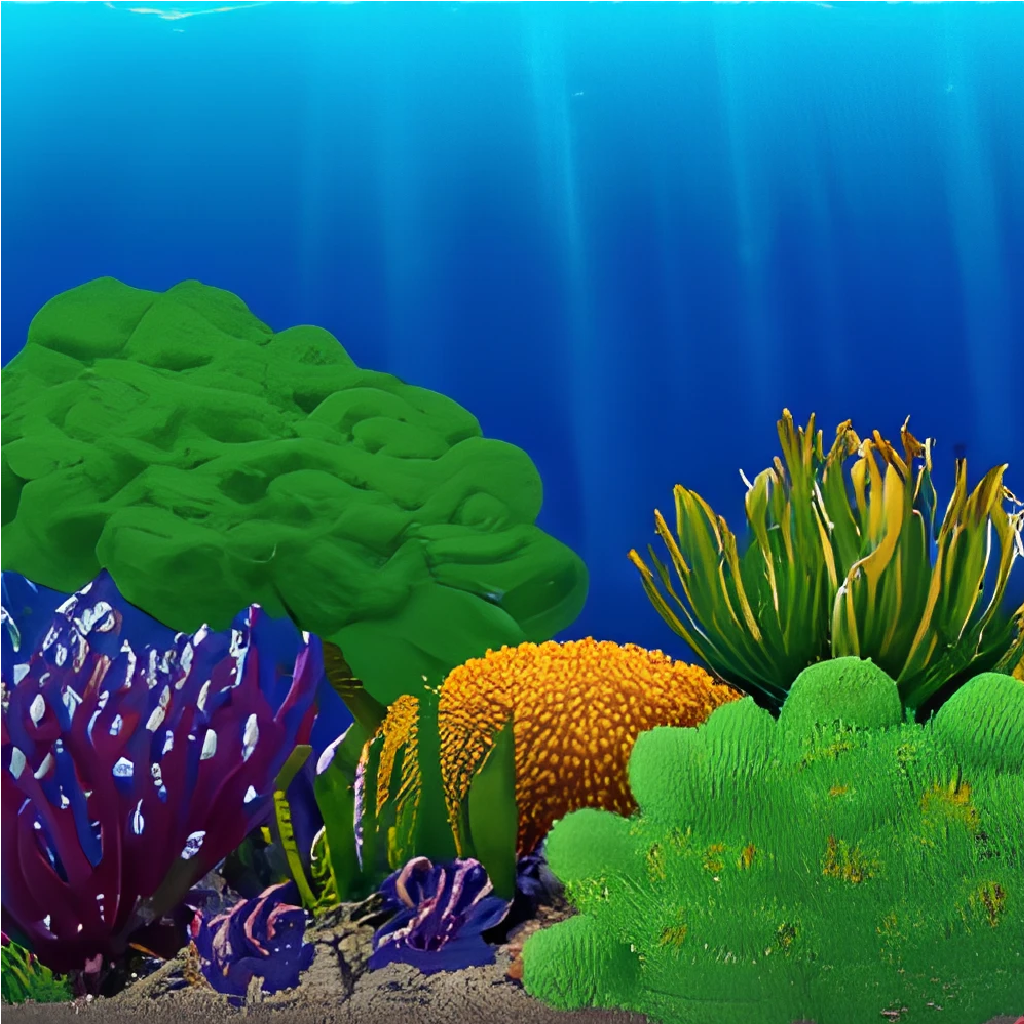 ♪ I like to be... ♫
Ocean warming is one of the biggest impacts of climate change. Marine life can be devastated by rising ocean temperatures. Some coral species, for example, can
Climate change is also causing ocean acidification, which happens when the ocean absorbs too much carbon dioxide.
Additionally, climate change is causing sea level rise, which can inundate coastal habitats and displace people. Fish populations and other marine life that rely on these habitats can be affected by this.
Climate change is one of the biggest threats to the ocean and the countless species that live there. Mitigating the impacts of climate change means reducing our carbon footprint and adapting to changing conditions. Despite all that, there's hope that the earth can take care of itself...
Can marine plants photosynthesize and absorb CO2
Phytoplankton, seaweed, and seagrasses photosynthesize and absorb carbon dioxide (CO2). As a byproduct of photosynthesis, these marine plants release oxygen (O2).
By absorbing CO2 from the atmosphere and seawater, marine plants play a crucial role in regulating the climate. Phytoplankton are responsible for about half of the photosynthesis on Earth, and they absorb about 20% of the CO2 we produce.
Seagrasses and other underwater plants are also important carbon sinks because they store a lot of carbon. Seagrasses die and their decomposing organic matter gets buried in sediment, where it can stay for thousands of years, removing carbon from the atmosphere. Overall, marine plants help mitigate climate change by absorbing CO2 and regulating the planet's temperature. Hopefully without devastating consequences.
Search this site for more information now.
Comments for devastating consequences
|
||
|
||

Recent Articles


-
Energy and Environment: Persuading industry to care
Sep 15, 26 02:47 PM
 What's wrong with Alberta's energy and environment? International media criticize the province and its biggest industry almost every day. Here's the truth.
 -
AERMOD Air Quality Modelling in Alberta
Sep 14, 26 05:58 PM
 Can you tell me which air quality model works best for most Alberta Air Quality Model Guideline regulatory modeling? AERMOD. It's easy, versatile, and recognizable.
 -
Air Dispersion Model - What's an air model?
Sep 14, 26 02:13 PM
How do we help a factory control air pollution? Provide design feedback ahead of time using an air dispersion model.
Do you have concerns about air pollution in your area??
Perhaps modelling air pollution will provide the answers to your question.
That is what I do on a full-time basis. Find out if it is necessary for your project.
Have your Say...
on the StuffintheAir facebook page
Other topics listed in these guides:
The Stuff-in-the-Air Site Map
And,
Thank you to my research and writing assistants, and the author remains responsible for the content.
