question
by jonny
(belfast)


It goes
Shifting pollution or saving the planet with electric cars? - The high-tech electric car people are talking about might actually be powered by a giant, smoke-belching fossil fuel factory hidden behind a wall. This student's ultimate reality check tells you whether electric vehicles are really a superpower for the planet or just a clever shell game that moves pollution around.
Jonny tells us: I am a gcse high school student an right now i am curious. i am wondering if electric cars can solve are problem, because firstly where do we get our power from?EVs move the problem upstream
Factories, and these cause fossil fuels to be burnt, and since more electricity will be needed so will more fossil fuels, and since more is burnt more air pollution, so are they really just moving the problem from cars and putting it all into factories?So when the factories finally have to be shut down because of global warming then what will happen?
So are they just moving the problem but keeping the outcome, or am i missing something,
Thanks,
email me at jonnywilson2009@hotmail.co.uk, please no spam lol
Power source is key
strong>Barry's Response - Johnny: No problem. Even if they're just relocated, the emissions keep coming out. If there's ever a problem with global warming, electric cars powered by carbon fuel won't help much.Both solar power and wind power are useful GHG-free alternatives, even if they're a little costly at this point. Nuclear energy scares everyone. If that's what we really need, it'll reduce carbon emissions per unit of energy made available for us.
The car whose engine is driven by compressed air is another interesting alternative to gas-guzzlers. Check it out.
Search this site for more information now.
EVs work when the grid gets cleaner
It is indeed a thought-provoking question regarding electric cars and their potential to solve our environmental problems. We should look at the issue from multiple angles and consider the bigger picture.Even though electric cars produce no emissions, the power they need comes from various sources, including factories that burn carbon-based fuels. There's a genuine concern that we're just shifting the environmental burden from individual cars to industries.
It's important to look at the big picture and the long-term consequences. Increasing electric car use and demand for electricity could lead to a greater reliance on fossil fuels to meet the fleet's energy needs.
The transition to electric vehicles also gives us a chance to explore cleaner alternatives and diversify our energy sources. You can reduce the environmental impact of electricity generation by investing in renewable energy.
Furthermore, battery technology and energy storage systems can make the grid more sustainable and efficient. Energy production can be optimized and environmental footprint can be minimized by integrating renewable energy sources and developing smart grid infrastructure.
In order to solve complex problems like global warming, we need a holistic approach. We're not just shifting the burden from one sector to another, we're fostering a comprehensive solution. The solution involves a multidimensional strategy that includes transportation, energy production, industrial practices, and consumer behavior.
Long-term, we should transition to a more sustainable energy system, where renewables play a big role and the environmental impact is minimized. Governments, industries, and individuals must work together to address the root causes of climate change and make responsible decisions.
Recent Articles


-
Energy and Environment: Persuading industry to care
Sep 15, 26 02:47 PM
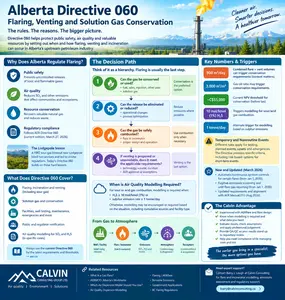
 What's wrong with Alberta's energy and environment? International media criticize the province and its biggest industry almost every day. Here's the truth.
 -
AERMOD Air Quality Modelling in Alberta
Sep 14, 26 05:58 PM
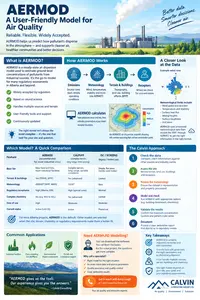
 Can you tell me which air quality model works best for most Alberta Air Quality Model Guideline regulatory modeling? AERMOD. It's easy, versatile, and recognizable.
 -
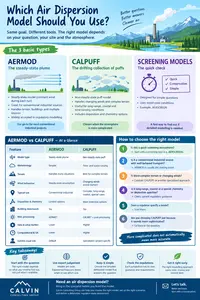
Air Dispersion Model - What's an air model?
Sep 14, 26 02:13 PM
How do we help a factory control air pollution? Provide design feedback ahead of time using an air dispersion model.
Do you have concerns about air pollution in your area??
Perhaps modelling air pollution will provide the answers to your question.
That is what I do on a full-time basis. Find out if it is necessary for your project.
Have your Say...
on the StuffintheAir facebook page
Other topics listed in these guides:
The Stuff-in-the-Air Site Map
And,
Thank you to my research and writing assistants, and the author remains responsible for the content.
Most Popular Pages on this Website:
Pictures of Global Warming
- See photos, cartoons, charts, graphs and a few surprises.
Clouds
- Don't know a cumulus from a stratus? Check here.
Causes of Global Warming
- It's not always obvious.
Calgary Alberta Weather
- Example of Canadian Goodness.
Thermometers
- Our favourite weather instrument.
- Home
- Contact Us
- Free E-zine Back Issues
- Privacy Policy
- Site Map - I'll help find something good.

By Barry Lough, P.Met., EP (Environmental Professional)
Text copyright © 2003-2024 Stuff in the Air.com
BACK TO TOP - Hit your 'Home' Key