Watering Flowers with Milk
by Frank
(Brooklyn, NY, USA)


Milky Flowers
Here's the truth about watering flowers with milk: dairy disasters and garden rebels - What happens if you feed a flower milk or hot sauce instead of water? Stop following the rules and see how a little mess can teach you more than any textbook.
Frank tells us this: When I was in the 3rd or 4th grade, I don’t remember for sure, I did a project where my mom and I bought a bunch of single pot marigolds from Home Depot that had already grown. I took them to different areas of our backyard and grew them. Some were in shady spots, some in sunny spots, some were kept in their plastics packages and some were put into pots.The idea was to see how the growing environment would affect the further development of the flower. As part of this process, I took another group of flowers and put them all out in the sun. I then watered them with different liquids. I remember milk was one of them, as was apple juice. I think Tabasco sauce was also one of them. Oh, and pickle brine.
Then when it was time for the science fair, I did a bunch of general research on how the weather affects plants and brought them all in a big, dirt-filled box to school. It was quite the messy attraction. I choose to believe that many of the other kids were jealous because of my awesome project, but that’s probably just childhood ego talking.
If kids have the garden room at home to do this (the plants weren’t expensive at all), this can be a pretty cool project, although obviously it’s not one that can be done the night before the way many of my later science fair projects were. (Heh.) It also helps to have a parent who knows a little bit what they’re doing in the garden. Overall though, I think it’s a pretty cool idea.
Barry's Response - cool one, Frank. It would have been interesting to know what the outcome was. How did the growth conditions compare?
This is something I would avoid doing with valuable plants like crops or prized collectibles. Milk can actually harm flowers, so don't water them with it. Plants can benefit from milk's nutrients in small amounts, but pure milk can cause a lot of problems.
The lactose and sugar in milk can attract insects and pests. It can damage the plants and make them more susceptible to disease. A film of fat can form on the leaves and stems of plants, preventing them from absorbing other nutrients and water.
In addition, milk can breed bacteria and fungi, which can damage plants and cause diseases like mildew and rot. In general, water plants with plain water or use a plant fertilizer that's specifically formulated for them. Additionally, pickle brine, hot sauce, beer, etc., are unlikely to be good ideas.
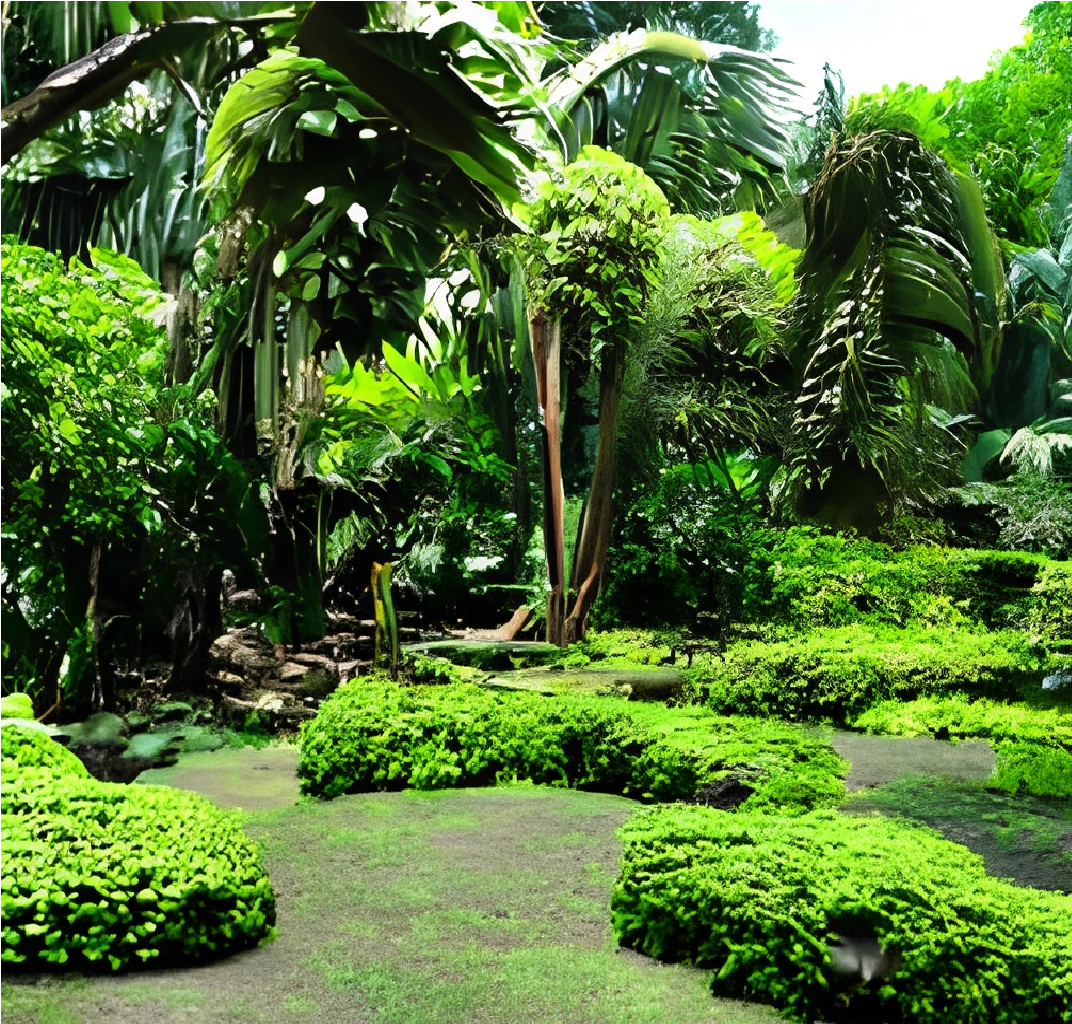
Another situation that frequent affects plants in yards and parks comes from Man's best friend. Plants can be affected both positively and negatively by dog urine, depending on several factors, including the dog's diet, the type of plant, and how often and how much it deposits.
Due to its high nitrogen content, dog urine can damage plants. Dog urine can cause nitrogen burn if it's deposited in large quantities or repeatedly in the same spot. Nitrogen is a vital nutrient for plants, but too much can burn and damage the roots.
Dog urine can also be used as a natural fertilizer for plants, since it contains nitrogen, phosphorus, and potassium, which are essential for plant growth. Dog urine can actually fertilize the soil and promote healthy plant growth when deposited in small amounts. Dilute the urine with water before applying it to the plants, as concentrated urine can damage them.
In summary, dog urine affects plants in different ways. While small amounts of urine can be beneficial, repeated or concentrated deposits can be harmful. Dogs should be trained to urinate in designated areas or their urine should be diluted with water to minimize damage.
Watering flowers with milk to defy the norm
One thing Frank's childhood ego might have been right about: curiosity drives the world. The marigolds weren't just following a manual; he challenged them. He soaked them in Tabasco and Tabasco sauce. A dirt - filled box is where true science starts - not in a textbook.- White Gold Chemistry - What's the point of watering flowers with milk? Calcium and nitrogen are in milk. In air quality and soil science, nitrogen fuels growth. The controversial truth is: more isn't always better.
Every increase in CO2 leads to doom, but plants actually need carbon to breathe. Smothering a leaf in milk fat clogs its stomata (tiny leaf pores). A plant can't exhale oxygen or inhale air. And suffocates. You didn't kill it with poison; you killed it with a tight hug. - Dog Urine Paradox (Stewardship Lesson) - I previously mentioned dog urine. If you're a skeptic or a conservative gardener, a dog hitting a prize shrub feels like an attack. But look at the numbers. The Burn: Nitrogen is concentrated in urine.
- Nitrogen burns the roots.
- The Bloom: It supercharges the soil when diluted.
- Nutrient harvesting from the atmosphere - Put an end to traditional watering. Imagine if we engineered plants to grab nutrients from air pollution. Plants that neutralize sulphur dioxide or absorb excess milk-borne bacteria would solve air quality problems while growing a garden. Let's stop protecting nature and start partnering with it.
- The Garden's Cultural Soul - In literature, Lady Macbeth talks about milk of human kindness. In art, we see the Milky Way stretching across the sky. Why? Milk represents life's beginning. Life needs boundaries too. Pouring pure milk into dirt invites fungi. Mold devours beauty when you create a battlefield.
The Expanded Strategy for Winning the Fair
Don't just show a dead plant if you want your presentation to stand out. Compare the results.- Set up four zones. Water is pure in Zone A (The Control). A 10% milk solution (The Nutrient Boost) goes in Zone B. The Suffocator (Zones C and D) get pure milk. A fan or a heat lamp goes in Zone D as a Weather Stressor.
- Show how the air pressure and temperature accelerate the rot in Zone D. Explain how the milk fat interacts with the air to create a biofilm.
- Stand before your judges and say science needs to fail. Make the case that nature is tough. Storms don't stop it, it processes waste, and it recycles even our messiest mistakes.
Are the experts too scared of a little mess?
Did you ever try an experiment that everyone said would fail, only to watch it work? Tell us about your wildest garden disaster that taught you something.
Comments for Watering Flowers with Milk
|
||
|
||
|
||
|
||
|
||
|
||

Recent Articles


-
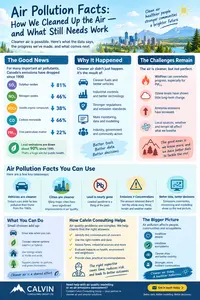
Surprising Air Pollution Facts: It's Not All Bad News!
Sep 17, 26 06:14 PM
 Trying to improve air quality has been a priority. Here are some air pollution facts to show you how far we've come.
 -
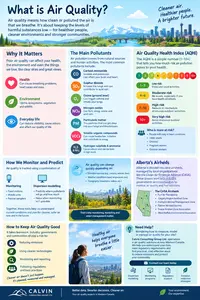
What is air quality and how can we fix it?
Sep 16, 26 11:19 AM
What is air quality? How do you define good air quality? It's just the opposite of air pollution. -
Energy and Environment: Persuading industry to care
Sep 15, 26 02:47 PM
 What's wrong with Alberta's energy and environment? International media criticize the province and its biggest industry almost every day. Here's the truth.
Do you have concerns about air pollution in your area??
Perhaps modelling air pollution will provide the answers to your question.
That is what I do on a full-time basis. Find out if it is necessary for your project.
Have your Say...
on the StuffintheAir facebook page
Other topics listed in these guides:
The Stuff-in-the-Air Site Map
And,
Thank you to my research and writing assistants, and the author remains responsible for the content.
Most Popular Pages on this Website:
Pictures of Global Warming
- See photos, cartoons, charts, graphs and a few surprises.
Clouds
- Don't know a cumulus from a stratus? Check here.
Causes of Global Warming
- It's not always obvious.
Calgary Alberta Weather
- Example of Canadian Goodness.
Thermometers
- Our favourite weather instrument.
- Home
- Contact Us
- Free E-zine Back Issues
- Privacy Policy
- Site Map - I'll help find something good.

By Barry Lough, P.Met., EP (Environmental Professional)
Text copyright © 2003-2024 Stuff in the Air.com
BACK TO TOP - Hit your 'Home' Key