FART
by shithead
(new york)


This one's for you...
The Secret Science of Farts and Poop! - Do you ever wonder why a fart can clear a room, or how poop is connected to everything? Get ready to step into the stinky, wild, and totally true world of science, where your body's most hilarious noises are actually saving-or changing-the world!
To start us off, SH (above) says: aassBarry's Response - Two things so far, SH from NY. What's in a typical phart? You might ask.
Nitrogen - 20 to 90%
Hydrogen - up to 50%
Carbon Dioxide 10 to 30% (product of decomposition)
Oxygen up to 10%
Methane up to 10% (product of decomposition)
If there is an odour, it will usually come from any of these sulphur compounds: methanethiol, hydrogen sulfide (rotten egg smell) and dimethyl sulfide.
Flatus, also known as flatulence or passing gas, is a scientific study in the field of gastroenterology.
Gases like nitrogen, oxygen, carbon dioxide, methane, and small amounts of other gases make up flatus. It's a normal part of digestion.
Our gastrointestinal tract digests food when we eat it. Byproducts of this process include gases. Gut bacteria can produce gases like hydrogen, carbon dioxide, and methane when they break down carbohydrates and fibers in the large intestine.
Diet, gut microbiota, and individual differences can all affect flatus frequency and odor. Gas production is increased by foods like beans, cabbage, onions, and carbonated beverages. Lactose intolerance, celiac disease, and irritable bowel syndrome (IBS) can also cause too much gas.
The focus of scientific research in this area is understanding the mechanisms of gas production, the effects of different foods on gas production, the role of gut microbiota in gas metabolism, and potential treatments for excessive flatulence.
It's important to be considerate of others in public settings, even though flatus is a natural bodily function. A healthcare professional can provide guidance and advice tailored to your needs if it's excessive or bothersome.
Comments for FART
|
||
|
||

Poo


Environmental Decay
Poo releases methane which contributes to global warming.
Barry's Response - Around us and all over the world, we have tons and tons of microbes decomposing organic matter and emitting more tons of carbon and methane (which is 25 times more effective than carbon dioxide as a greenhouse gas) into the air every year. Poo is just one example of that natural process.
Waste emits methane and heats Earth
Decomposition occurs at a faster rate when the ambient temperature increases, but as long as the amount of rotting material stays the same, the total amount of GHG release should neither increase nor decrease. One would simply expect that it would happen faster and be over sooner.But does the amount change? If the stuff currently trapped under ice becomes free for compost, then the total pool increases. It has happened before and will again repeatedly over the cycles of millions of years.
Another by-product of decomposition is mold, and especially the spores it releases. This can lead to air-quality related illnesses. Read more about them here.
Search this site for more information now.
Feces are organic waste with risks.
As a waste product excreted by animals, including humans, feces can be considered organic waste. It's possible for feces to pollute the environment and pose health risks if they're improperly disposed of or contaminated. In areas with inadequate sanitation infrastructure or bad waste management, this is especially important.Feces can be a nutrient source for the environment. Natural ecosystems use animal feces to cycle nutrients and provide organic matter. Natural fertilizers like animal manure are sometimes used in agriculture.
When feces aren't handled properly or treated, they can contaminate water, spread diseases, and cause other health problems. In order to prevent fecal pollution and protect public health, we need proper sanitation systems, waste management practices, and regulations.
Comments for Poo
|
||
|
||
Recent Articles


-
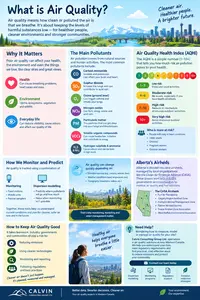
What is air quality and how can we fix it?
Sep 16, 26 11:19 AM
 What is air quality? How do you define good air quality? It's just the opposite of air pollution.
 -
Energy and Environment: Persuading industry to care
Sep 15, 26 02:47 PM
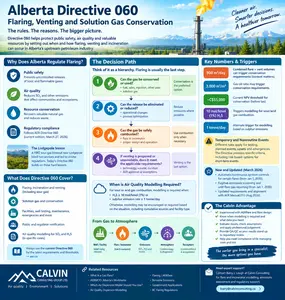
 What's wrong with Alberta's energy and environment? International media criticize the province and its biggest industry almost every day. Here's the truth.
 -
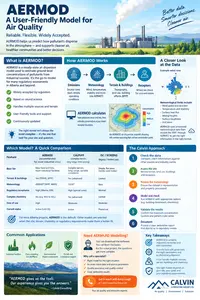
AERMOD Air Quality Modelling in Alberta
Sep 14, 26 05:58 PM
Can you tell me which air quality model works best for most Alberta Air Quality Model Guideline regulatory modeling? AERMOD. It's easy, versatile, and recognizable.
Do you have concerns about air pollution in your area??
Perhaps modelling air pollution will provide the answers to your question.
That is what I do on a full-time basis. Find out if it is necessary for your project.
Have your Say...
on the StuffintheAir facebook page
Other topics listed in these guides:
The Stuff-in-the-Air Site Map
And,
Thank you to my research and writing assistants, and the author remains responsible for the content.
Most Popular Pages on this Website:
Pictures of Global Warming
- See photos, cartoons, charts, graphs and a few surprises.
Clouds
- Don't know a cumulus from a stratus? Check here.
Causes of Global Warming
- It's not always obvious.
Calgary Alberta Weather
- Example of Canadian Goodness.
Thermometers
- Our favourite weather instrument.
- Home
- Contact Us
- Free E-zine Back Issues
- Privacy Policy
- Site Map - I'll help find something good.

By Barry Lough, P.Met., EP (Environmental Professional)
Text copyright © 2003-2024 Stuff in the Air.com
BACK TO TOP - Hit your 'Home' Key