- Air Homepage
- Air Quality Modelling Service
- Environmental Social and Governance
Alberta Environmental Social and Governance: Look at What Companies Actually Do, Not What They Say
Alberta's Environmental Social and Governance (ESG) reputation is often shaped more by perception and corporate messaging than by actual performance.
A better question is: Does Alberta's industrial ESG reputation reflect real-world outcomes or how companies communicate them?
From my air quality regulatory perspective, Alberta is far from an environmental disaster zone. Its approach to ESG is generally practical rather than performative. The province has a well-developed regulatory framework, extensive monitoring infrastructure and a strong reputation for industrial safety and environmental oversight. In many cases, Alberta companies outperform their critics on worker protection, compliance and operational controls.
Alberta is not the cleanest or most tightly regulated jurisdiction in the world. But it is also far from the extreme picture often portrayed by its harshest critics.
The problem is that conventional environmental social and governance metrics are often better at measuring intent and disclosure than real-world results.
ESG helps measure corporate policies, disclosures and management practices. But as a standalone measure of environmental and social outcomes, it's not very reliable.| Dimension | What it measures | Does conventional ESG capture it well? |
|---|---|---|
| Policy | What management promises |
Yes |
| Disclosure | What the company reports |
Usually |
| Rating | How an external organization scores it |
Yes |
| Management | Systems, procedures and controls actually operating |
Partially |
| Outcome | What actually happens to air, water, land, workers and communities |
Inconsistently |
What tangible ESG performance looks like is much simpler:
- A company operates a facility.
- Regulatory approvals specify monitoring requirements.
- Monitoring systems measure emissions.
- QA/QC requirements apply.
- Data are reported to regulators.
- Regulators compare results against requirements.
- Non-compliance triggers investigation, corrective action or enforcement.
It's not enough for a company to say, "We manage our emissions." Real environmental social and governance performance means measuring emissions, conducting stack tests, maintaining monitoring equipment, meeting QA/QC standards, reporting data and responding when limits are exceeded.
In short: ESG should be judged by outcomes and accountability, not just policies, disclosures or ratings.
Where Alberta industry shines
Alberta's industrial sector operates under one of the world's more detailed and technically advanced environmental and safety regulatory systems, particularly in oil and gas, petrochemicals, power generation and mining.
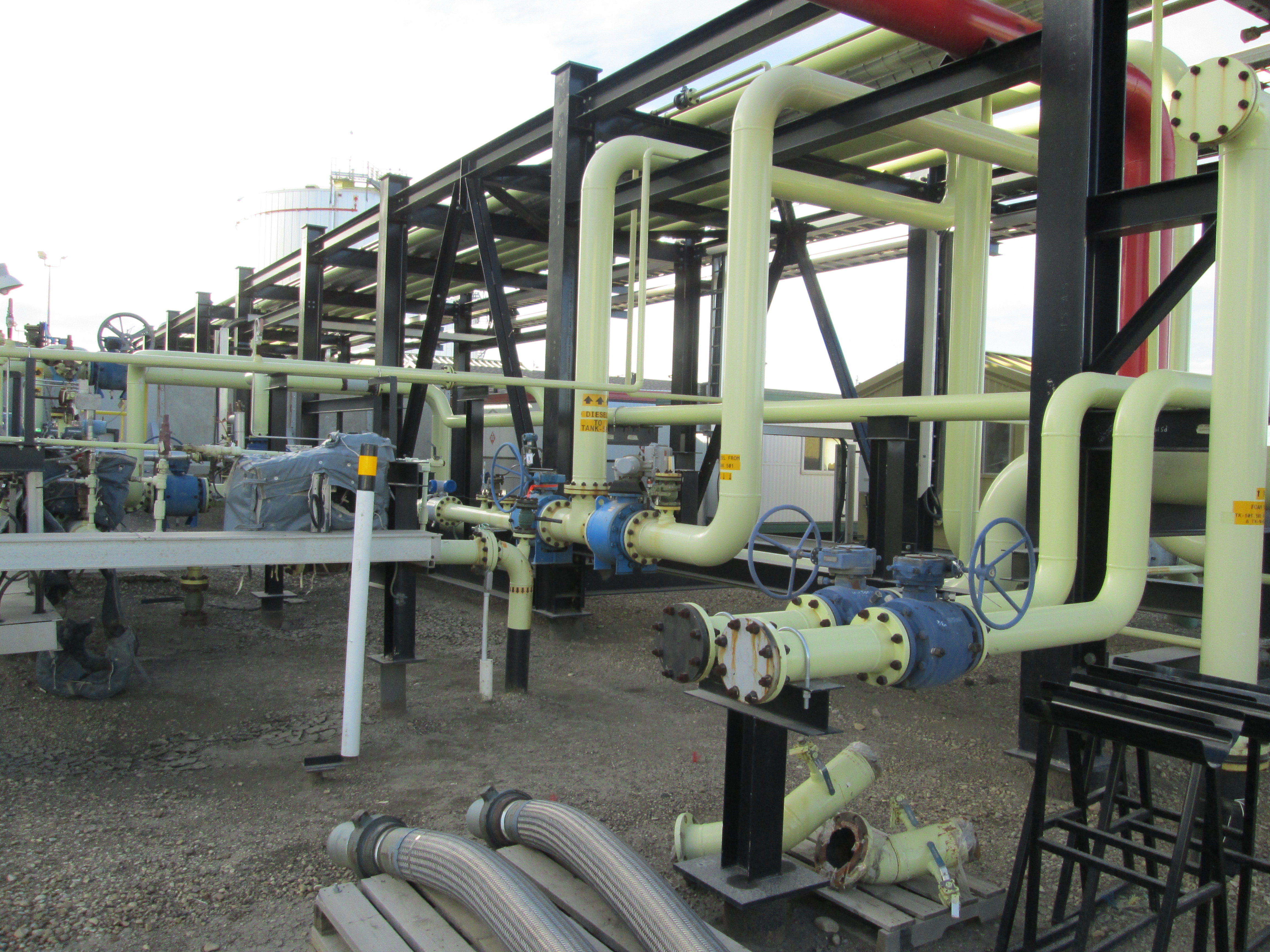
If you want to know whether a facility takes environmental performance seriously, don't start with its sustainability report. Start with its emissions stack.
Companies may be required to:
- Monitor emissions continuously using continuous emission monitoring systems (CEMS), (Continuous Emission Monitoring Systems)
- Conduct stack testing
- Model pollutant dispersion using tools such as AERMOD and CALPUFF
- Detect and repair fugitive emissions and leaks
- Monitor groundwater and other environmental media
- Report environmental incidents
- Comply with legally enforceable approvals issued under Alberta's Environmental Protection and Enhancement Act (EPEA)
Alberta's regulatory approach is notable because it integrates multiple environmental responsibilities into a single approval system. Industrial approvals often cover:
- Air quality
- Water use
- Waste management
- Land reclamation
- Environmental monitoring
- Reporting requirements
- Emergency response planning
- Facility closure and reclamation
Many approvals govern the entire lifecycle of a project, from construction through operation to reclamation. Examples can be found in Alberta's Approval Viewer database: https://avw.alberta.ca/ApprovalViewer.aspx
Alberta Leads in Environmental Monitoring. One of Alberta's greatest strengths is its environmental monitoring infrastructure.
Facilities are often required to:
- Continuously measure and report emissions
- Maintain monitoring networks
- Follow strict QA/QC procedures
- Submit annual environmental reports
- Undergo technical reviews and audits
The Air Monitoring Directive and CEMS Code establish detailed standards for installation, operation, maintenance, certification, quality control and reporting. Alberta's Air Data Warehouse makes much of this information publicly available: https://www.alberta.ca/access-air-data
Because Alberta collects and discloses so much environmental data, it can sometimes appear to have more environmental issues than other jurisdictions. In reality, it often measures and reports impacts more transparently than places with less monitoring.
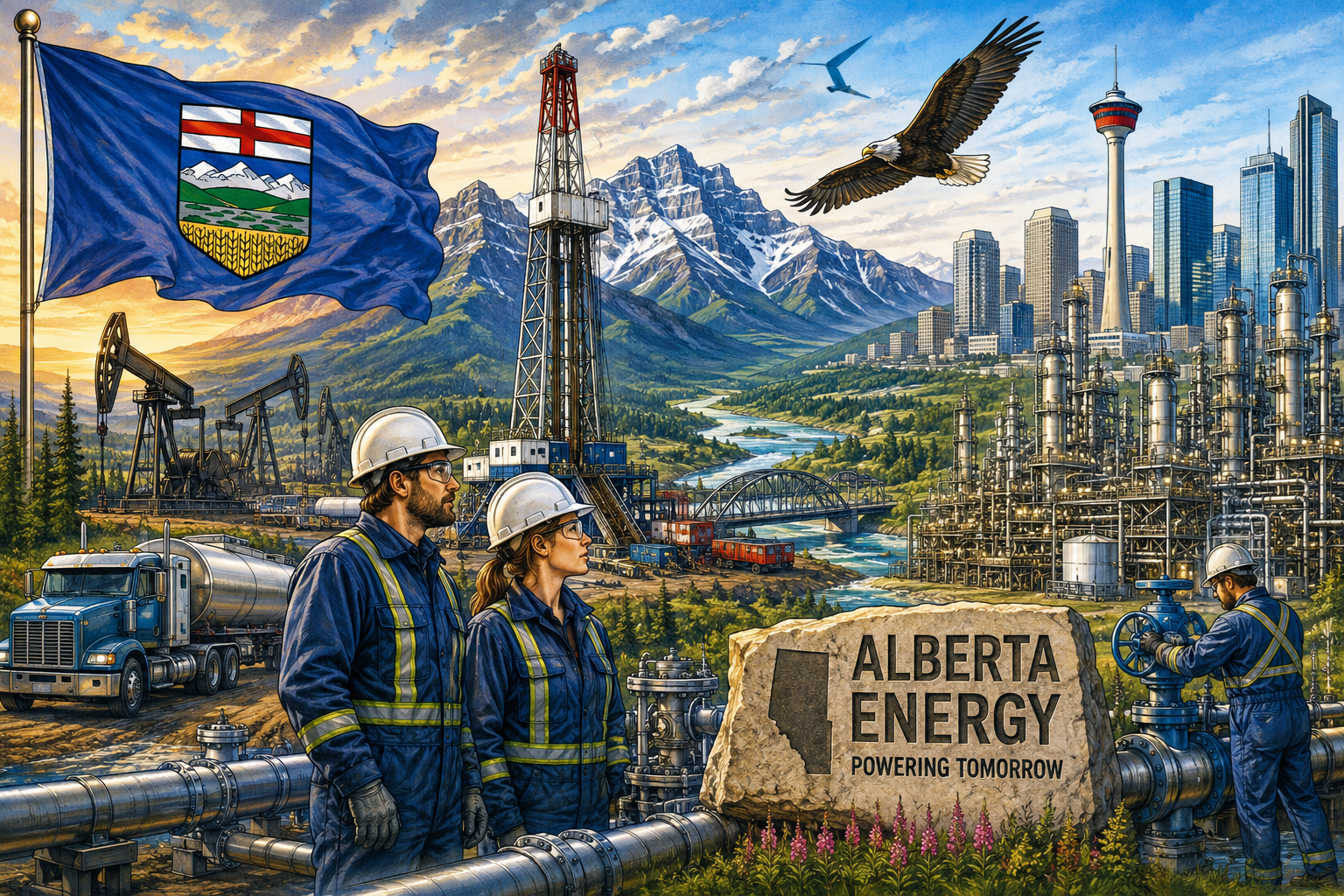
Alberta also has a globally respected industrial safety culture, particularly in:
- Oil and gas
- Petrochemicals
- Pipelines
- Heavy construction
- Mining
- Power generation
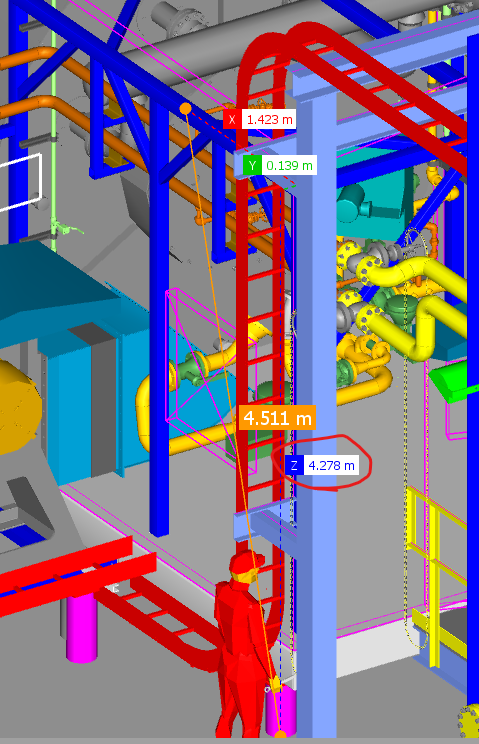
The province publishes occupational injury, disease and fatality statistics by industry (see https://www.alberta.ca/ohs-statistics), but safety performance is best assessed through systems and practices, not a single statistic.
Alberta's high-hazard industries typically maintain mature safety-management systems. They emphasize Risk management, Contractor oversight, Process safety, Emergency preparedness and Continuous improvement
Oil and gas, petrochemical and mining operations often achieve strong worker-safety performance despite managing some of the highest-consequence industrial hazards.
What Alberta Industry Actually Does - A Highly Technical Approach to Risk Management:
Alberta's industry is tech-savvy. The Alberta industrial sector uses advanced technology, especially in areas related to environmental protection and efficiency. See what I mean:
| ESG area | What Alberta industry actually does |
|---|---|
| Air emissions | Dispersion modelling, CEMS, stack testing |
| Methane | Leak detection and repair |
| Sulphur | Sulphur recovery |
| Carbon | CCS, efficiency improvements |
| Water | Monitoring and treatment |
| Land | Reclamation |
| Safety | Process safety and emergency planning |
| Community | Indigenous partnerships |
Alberta industry has substantial capability to measure, predict and manage environmental and safety risks through:
- Meteorological modelling
- Air dispersion modelling (AERMOD, CALPUFF)
- Continuous emissions monitoring
- Stack testing
- Methane detection
- Sulphur recovery
- Advanced process controls
- Environmental monitoring networks
- Emergency-response modelling
- Emissions inventories
- Engineering controls
The key point: Alberta's ESG performance is often better evaluated through its monitoring systems, engineering controls, regulatory requirements and measurable outcomes than through sustainability reports or environmental social and governance ratings alone.
Environmental social and governance (ESG)
Alberta companies are known for strong engineering, safety and industrial performance and many support Diversity, Equity and Inclusion (DEI) where appropriate. However, ESG and DEI discussions are often highly political, which can obscure operational strengths.
How Alberta compares depends on which ESG factors you examine, which industries you compare and whether you focus on public messaging or measurable results.
DEI is part of ESG's Social pillar, focusing on people, hiring and workplace culture. Environmental social and governance more broadly evaluates environmental performance, social responsibility and corporate governance.
Alberta firms are often okay on the E and S of ESG but focus on technical work rather than climate branding or net‑zero marketing.
Alberta companies are often stronger in ESG execution than ESG marketing.
Rather than emphasizing climate branding or net-zero messaging, many focus on:
- Process safety
- Emissions measurement
- Environmental monitoring
- Worker safety
- Emergency preparedness
- Land reclamation
- Indigenous partnerships
- Detailed technical reporting
Many also invest in methane monitoring, leak detection and repair, sulphur recovery, carbon capture and other environmental performance systems. These are tangible ESG actions.
Safety Is a Major ESG Strength - Alberta's industrial sectors, particularly oil and gas, petrochemicals and construction, often maintain highly structured safety-management systems because the consequences of failure can be severe.
Compared with many tech, retail, gig-economy, logistics or light-manufacturing workplaces, Alberta industrial companies typically provide:
- Extensive worker training
- Formal risk-management systems
- Contractor oversight
- Incident-response procedures
- Strong safety cultures
These activities directly support worker well-being and are a core part of ESG's Social pillar, even if they receive less public attention than climate policy.
Partnerships with indigenous people are growing
Resource development in Alberta increasingly depends on Indigenous partnerships, including:
- Ownership opportunities
- Revenue-sharing agreements
- Consultation processes
- Employment and training programs
- Joint decision-making arrangements
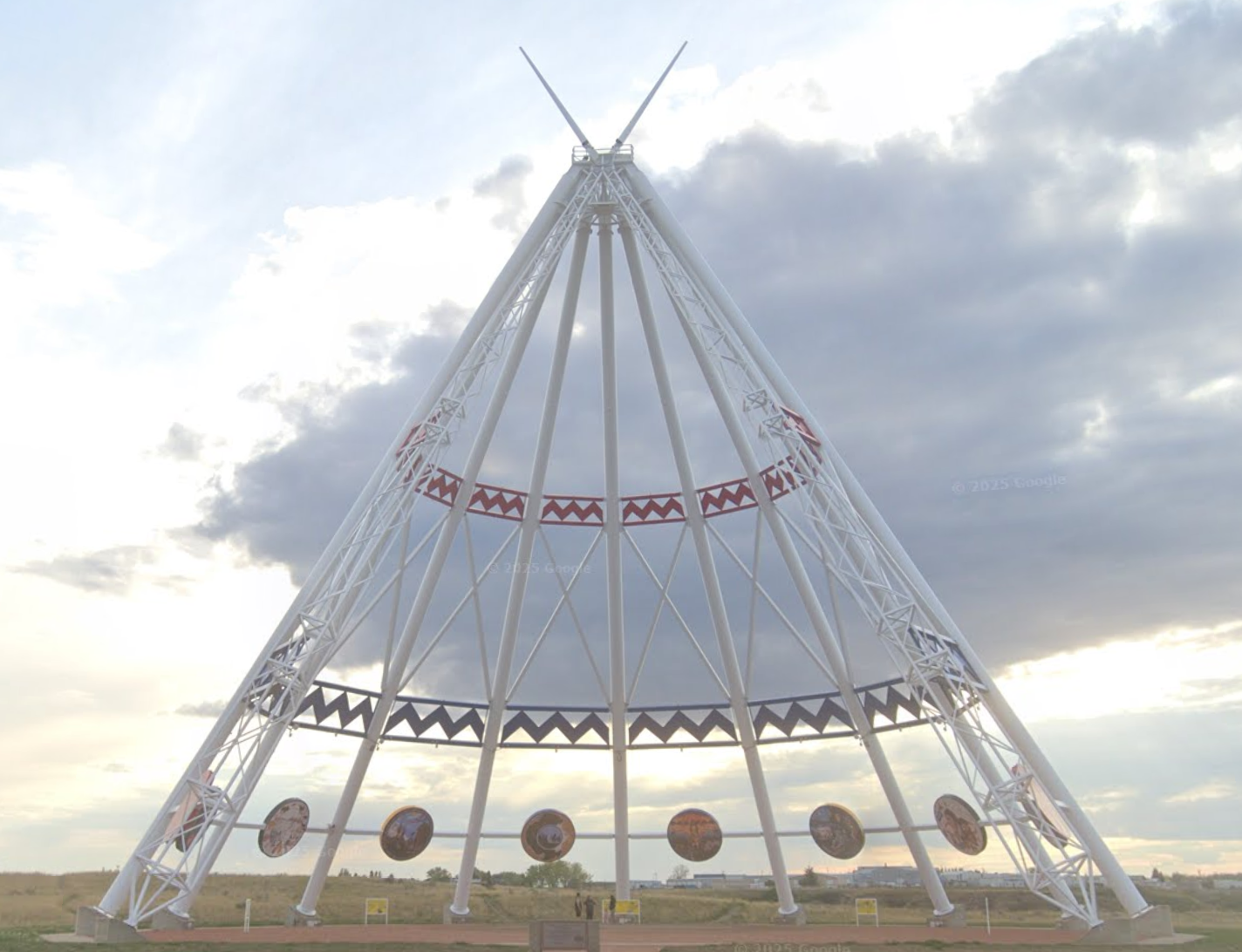 World's Tallest Teepee, Medicine Hat
Many Indigenous communities emphasize economic participation, ownership and long-term prosperity alongside environmental protection. Those priorities are not always fully reflected in conventional ESG frameworks.
As a result, some Alberta resource companies may be more aligned with practical Indigenous economic development goals than ESG ratings alone would suggest.
The bottom line is: Alberta firms generally excel operationally rather than rhetorically. Their ESG strengths are often found in engineering, safety, environmental monitoring, emissions management, land reclamation and Indigenous partnerships, not necessarily in environmental social and governance branding or public-facing sustainability campaigns.
Where Alberta genuinely struggles
Alberta's regulations are often strong on paper, but enforcement can be inconsistent. Regulators have limited capacity to inspect every facility, so much of the system relies on companies to monitor, report and correct problems themselves. Critics argue this can lead to delayed remediation, incomplete reporting, uneven enforcement and political influence over regulatory priorities.
Strong rules do not automatically guarantee enforcement.
And High Emissions Remain a Challenge.
Alberta also remains a highly emissions-intensive economy.
The province faces ongoing challenges related to:
- High per-capita emissions
- Methane emissions
- Land disturbance and reclamation
- A large hydrocarbon-producing economy
As a result, strong regulation does not necessarily translate into low environmental impact.
A company may have:
- Sophisticated monitoring systems
- Excellent engineering
- Strong environmental management
- Detailed reporting requirements
while still producing large volumes of hydrocarbons. In other words, a company can be highly effective at managing environmental risk yet still have a significant environmental footprint.
Policy Uncertainty ESG and DEI Perceptions - A Question of Measurement
Regulatory consistency can vary with political cycles. Changes in government can affect:
- Carbon pricing
- Methane regulations
- Land reclamation requirements
- Coal and energy policy
- Renewable-energy approvals
- Enforcement priorities
This policy volatility can create uncertainty for businesses making long-term investment decisions.
Alberta businesses are often viewed as weaker on ESG and DEI metrics, but this frequently reflects differences in priorities rather than capability.
Many energy, engineering and industrial firms emphasize:
- Technical competence
- Merit and experience
- Operational performance
- Safety and reliability
...more than public ESG branding, climate pledges, diversity targets or sustainability marketing.
As a result, Alberta companies may score lower in some ESG frameworks that place significant weight on public commitments and disclosures, even when their operational performance is strong.
Hiring practices in Alberta's industrial sectors often prioritize merit, technical ability and experience, which helps maintain high standards in safety-critical industries. However, critics argue this approach can slow progress on workforce diversity and representation.
Ultimately, Alberta's strengths and weaknesses depend partly on how environmental social and governance is measured.
The key distinction is between ESG signalling and measurable performance. Alberta companies often excel in engineering, safety, environmental monitoring and operational execution, but may receive less recognition in systems that reward public commitments, reporting and branding.
Expert Air Modelling you can trust
Alberta industry is often judged by Environmental Social and Governance scores that overlook its strongest capabilities. In practice, many Alberta operators excel at environmental monitoring, regulatory compliance, engineering rigour, worker safety, emergency preparedness, technology adoption and Indigenous economic participation. These strengths rarely appear in ESG branding, but they directly shape project approvals, community confidence and operational reliability.
Calvin Consulting Group Ltd. works inside this reality. Our air‑quality dispersion modelling helps clients understand how emissions, odours, toxic releases, fires and airborne contaminants behave under real conditions. Accurate and representative modelling reduces delays, supports approvals, protects reputation and prevents costly surprises.
Our team includes some of Canada’s most experienced meteorologists and dispersion modellers, with decades of practice and training provided to Alberta Environment and Protected Areas, the Alberta Energy Regulator and Environment and Climate Change Canada. We build site‑specific AERMOD and CALPUFF models supported by terrain analysis, meteorological processing and regional emissions data. Every assessment meets provincial and federal requirements and is delivered as a clear, submission‑ready report.
Alberta’s industrial sector has real weaknesses—high emissions, inconsistent enforcement and policy uncertainty—but its technical and regulatory strengths are substantial. Reliable science, clear direction and fast execution remain essential for navigating that landscape.
Contact:

by email at to discuss your project.
Recent Articles


-
Energy and Environment: Persuading industry to care
Sep 15, 26 02:47 PM
 What's wrong with Alberta's energy and environment? International media criticize the province and its biggest industry almost every day. Here's the truth.
 -
AERMOD Air Quality Modelling in Alberta
Sep 14, 26 05:58 PM
 Can you tell me which air quality model works best for most Alberta Air Quality Model Guideline regulatory modeling? AERMOD. It's easy, versatile, and recognizable.
 -
Air Dispersion Model - What's an air model?
Sep 14, 26 02:13 PM
How do we help a factory control air pollution? Provide design feedback ahead of time using an air dispersion model.

It's not enough for a company to publish a pretty sustainability report to demonstrate environmental responsibility...
Someone has to calculate the emissions from a stack, model how the emissions will travel, determine if a guideline can be exceeded, defend the methodology to a regulator and modify the project if the results aren't good.
There are at least three dimensions to ESG: what companies say, what systems they run and what results they get. In the second category, Alberta tends to do better than in the first, but its overall environmental footprint is still a problem.
Do you have concerns about air pollution in your area??
Perhaps modelling air pollution will provide the answers to your question.
That is what I do on a full-time basis. Find out if it is necessary for your project.
Have your Say...
on the StuffintheAir facebook page
Other topics listed in these guides:
The Stuff-in-the-Air Site Map
And,
Thank you to my research and writing assistants, and the author remains responsible for the content.
Don't confuse these five things
1. ESG policy
What the company says it intends to do.
2. ESG disclosure
What the company reports.
3. ESG rating
How an outside organization scores it.
4. ESG management
What systems the company actually operates.
5. ESG outcome What physically happens in the environment and workplace.
Most Popular Pages on this Website:
Pictures of Global Warming
- See photos, cartoons, charts, graphs and a few surprises.
Clouds
- Don't know a cumulus from a stratus? Check here.
Causes of Global Warming
- It's not always obvious.
Calgary Alberta Weather
- Example of Canadian Goodness.
Thermometers
- Our favourite weather instrument.
- Home
- Contact Us
- Free E-zine Back Issues
- Privacy Policy
- Site Map - I'll help find something good.

By Barry Lough, P.Met., EP (Environmental Professional)
Text copyright © 2003-2026 Stuff in the Air.com
BACK TO TOP - Hit your 'Home' Key